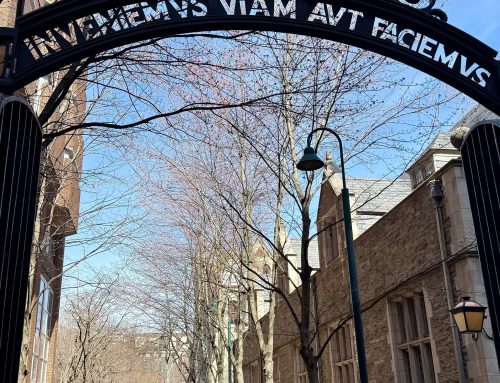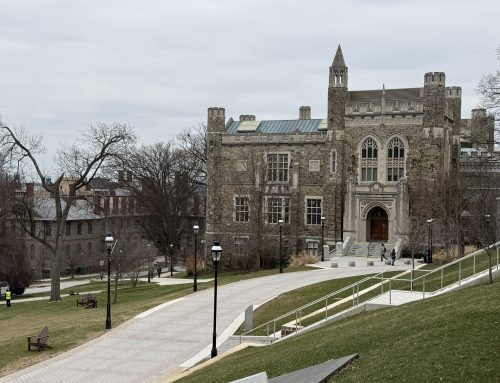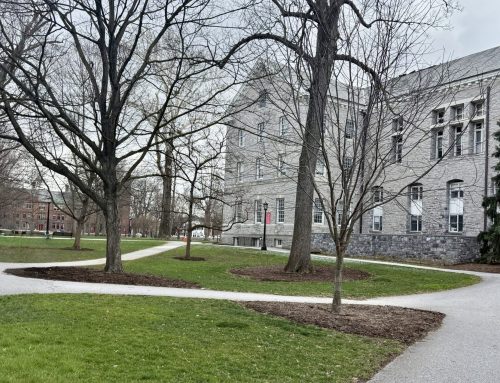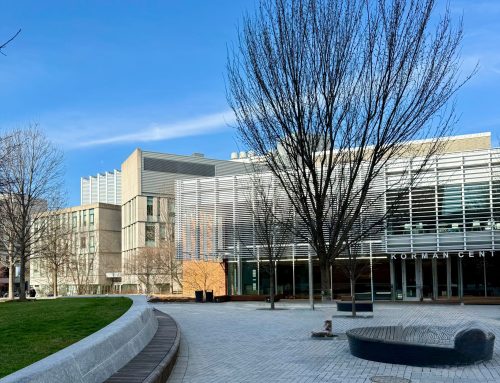
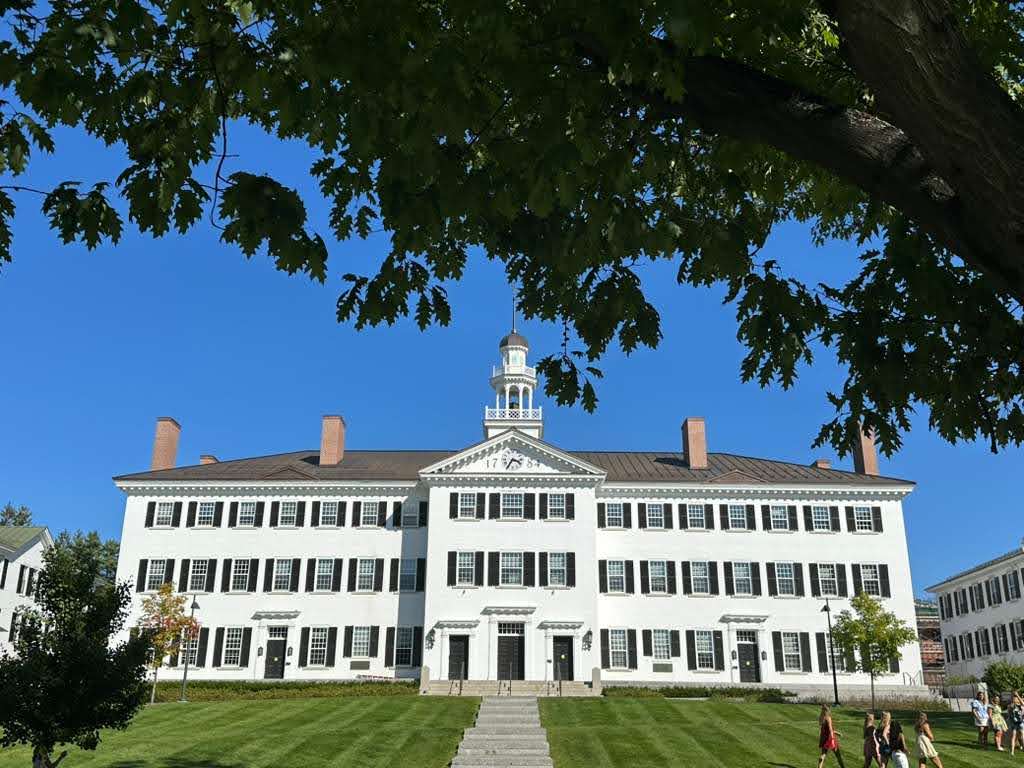
Our group of college consultants visited Dartmouth College on the first day of classes, and honestly—it was hard not to smile. The main courtyard was buzzing with energy: students laughing over a welcome-back barbecue, tossing frisbees on the grass, and clearly living their best lives. The sense of joy and community was immediate and contagious.
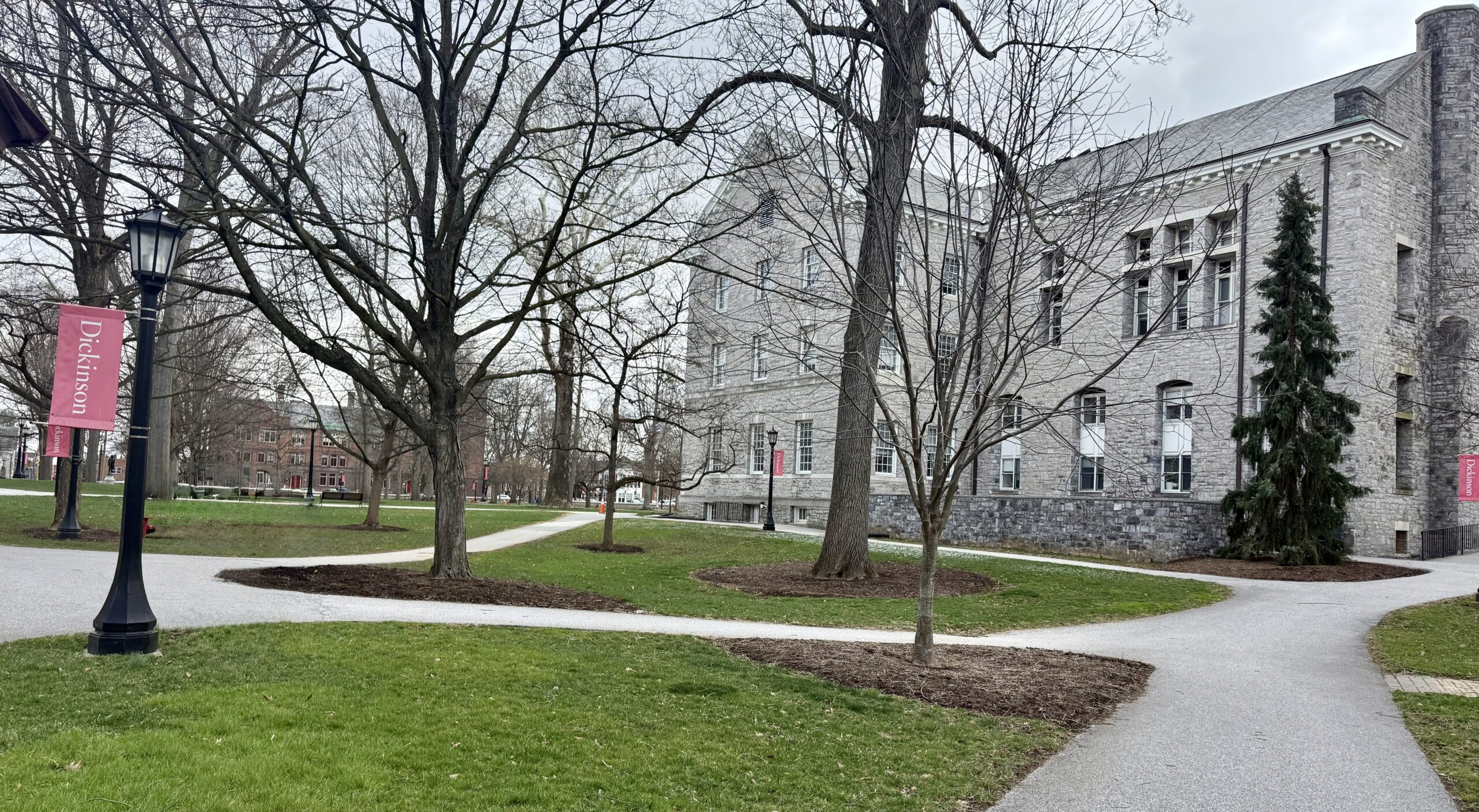
Nestled in Hanover, New Hampshire, Dartmouth feels like a blend of historic charm and outdoor adventure. With its green quads, stately brick buildings, and tree-lined paths, it’s quintessential New England—but with a liveliness that’s all its own.
A Legacy with Modern Purpose
Founded in 1769, Dartmouth was originally established to educate Native Americans, though that mission sadly failed in its early years. The college now acknowledges that complicated history while offering strong programs and scholarships for Native and Indigenous students today. That mix of reflection and renewal seems emblematic of Dartmouth as a whole: steeped in tradition, yet always evolving.
Undergraduate-Focused and Faculty-Driven
Dartmouth is proudly undergraduate-focused, with around 4,800 students—making it one of the smallest Ivy League schools. Every class is taught by a professor, not a teaching assistant, which gives students a truly personal learning experience. Professors are accessible and often know students by name, and the emphasis on civil discourse means classroom discussions are lively but respectful.
The result is a community where curiosity thrives, and intellectual engagement feels authentic rather than competitive.
The “D-Plan”: Flexibility That Works
One of Dartmouth’s most distinctive features is the “D-Plan”, its flexible academic calendar. Instead of traditional semesters, Dartmouth operates on four 10-week quarters, allowing students to mix and match their schedules. Everyone must attend at least one summer term on campus, but otherwise, students can design a rhythm that works for them—taking a term off to study abroad, intern, or conduct research, and still graduate on time.
It’s ideal for adventurous learners who want to chart their own path and weave in real-world experiences.
Academics and Opportunities
Dartmouth’s liberal arts foundation means students can explore widely before committing to a major. There’s no undergraduate business major, though many students interested in business pursue economics or take advantage of courses and networking through the Tuck School of Business.
In addition to traditional departments, Dartmouth offers interdisciplinary programs in environmental studies, government, neuroscience, and global health—fields that reflect its connection to the natural world and global citizenship. And speaking of nature, it’s everywhere: students hike, ski, kayak, and head to the Dartmouth Outing Club, one of the oldest collegiate outdoor clubs in the country.
Admissions Snapshot
As an Ivy League institution, Dartmouth’s acceptance rate is very low, but its admissions process stands out for its human touch. Applicants must submit a peer recommendation, an unusual but telling requirement that helps the admissions team understand who you are in your community.
The college is test-required—meaning you’ll need to submit SAT or ACT scores—and it practices need-blind financial aid for U.S. applicants, ensuring that ability to pay does not affect admissions decisions. Dartmouth also meets 100% of demonstrated financial need, often with a combination of grants and minimal student work expectations.
Campus Life and Community
What struck me most during our visit was the happiness and warmth of the students. It wasn’t just first-day energy—it was a genuine sense of belonging. Students spoke about how Dartmouth feels like a family, where collaboration matters more than competition. Whether sharing coffee at the Collis Center, studying on the Green, or heading out for a weekend hike in the White Mountains, Dartmouth students seemed to have found their balance between rigor and joy.
There’s a strong sense of tradition here—homecoming bonfires, winter carnival, and quirky clubs—but also a culture that celebrates individuality.
Final Thoughts
Dartmouth College manages to be both historic and forward-thinking, intimate and adventurous. It offers a rare mix of Ivy-level academics, small-college community, and boundless access to nature. With flexible scheduling, teaching-focused faculty, and a culture of open conversation, Dartmouth is a place where students don’t just study—they thrive. If you can get in, that is….