
Villanova University Campus Overview and First Impressions
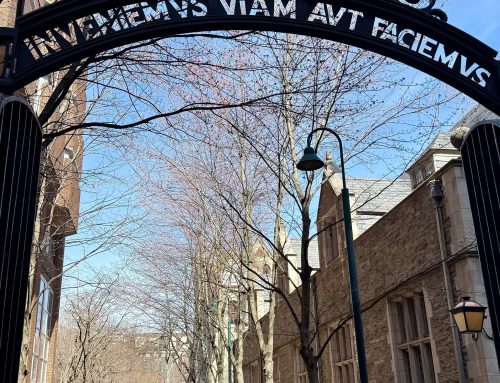
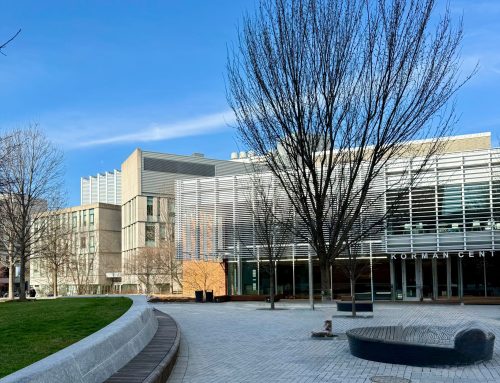
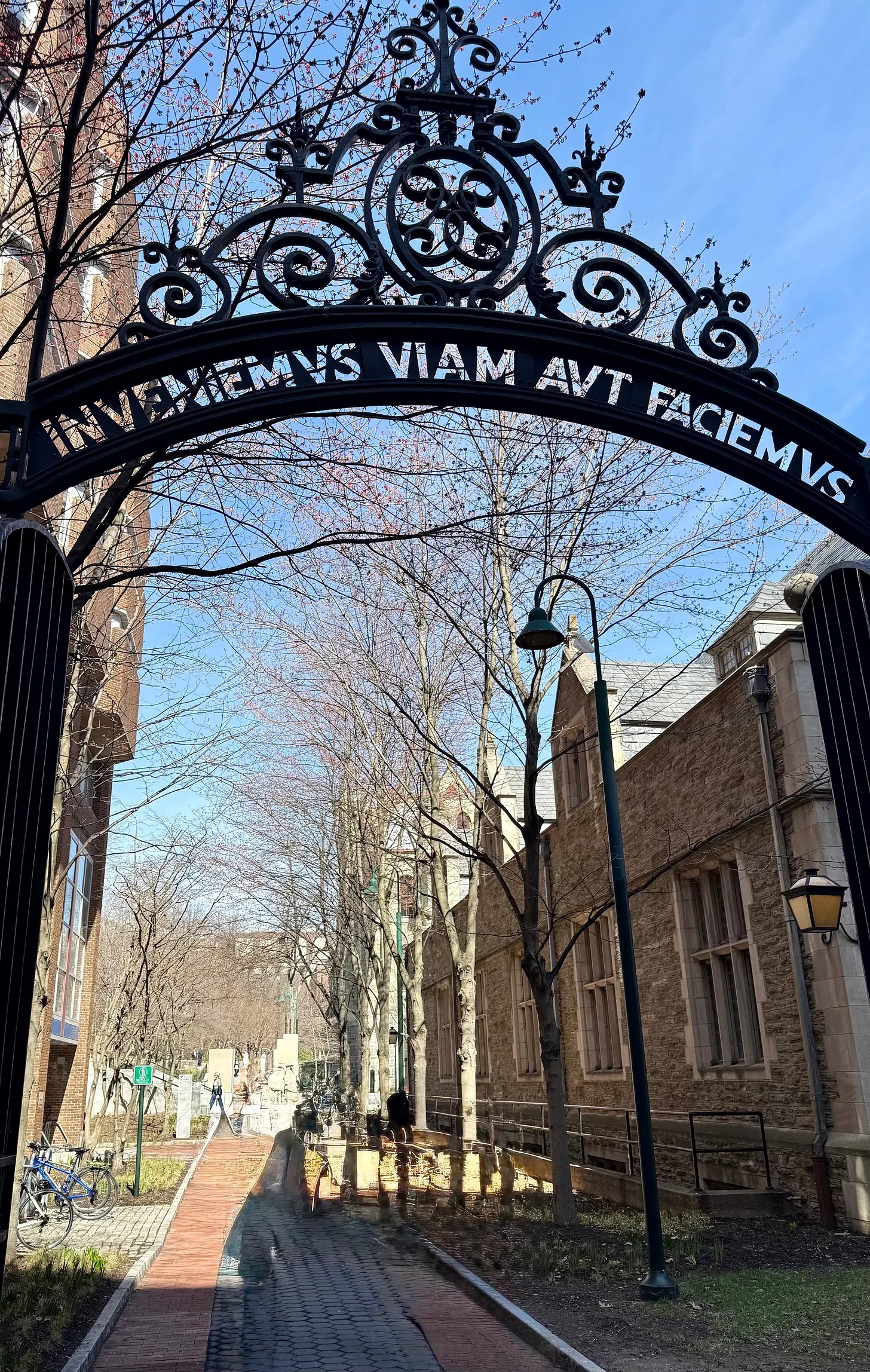
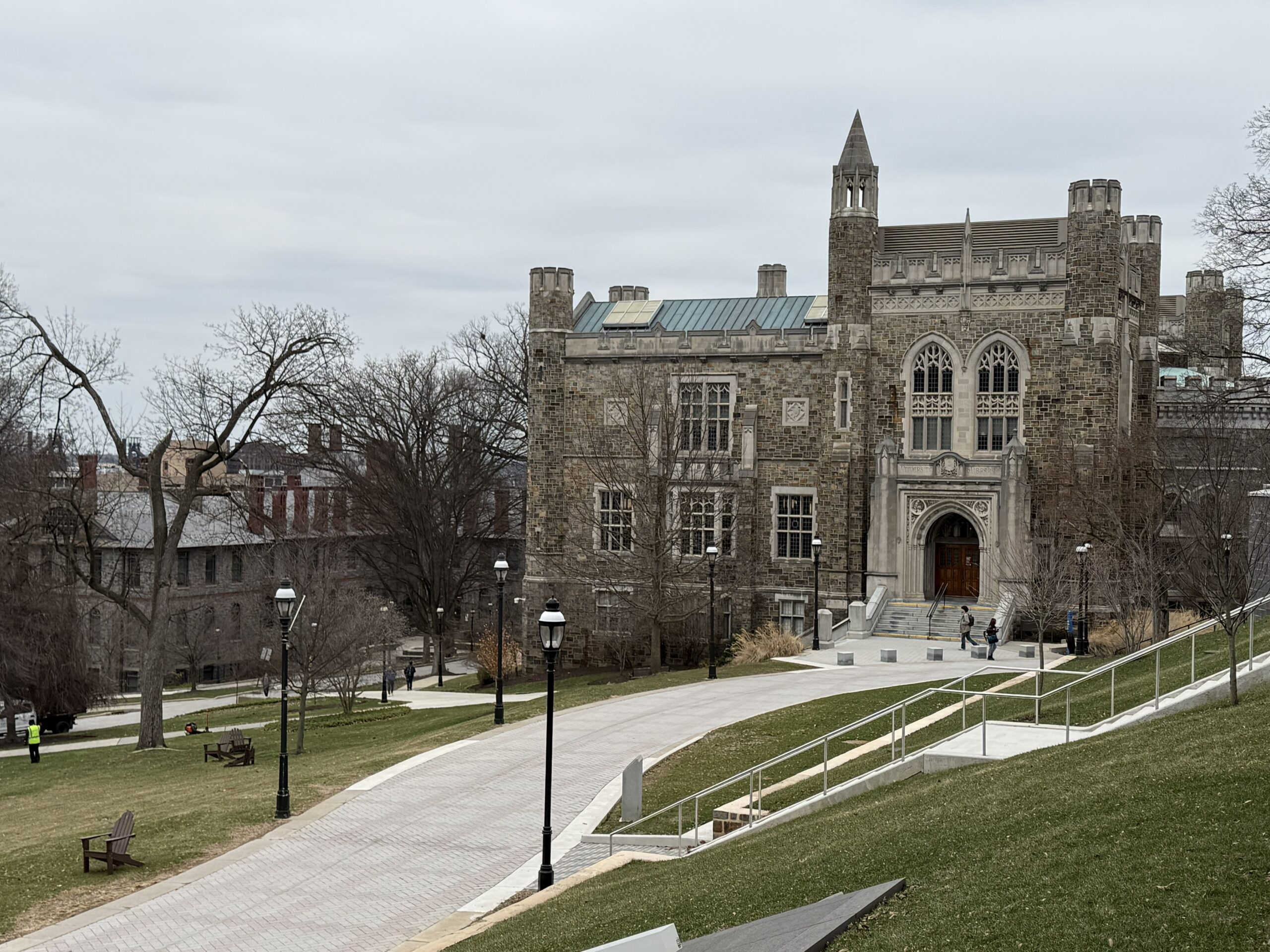
At Villanova, the level of energy and activity that crackles around campus is undeniable. This mid-size Augustinian Catholic university, right outside Philadelphia, is growing in both size, with the purchase of two nearby liberal arts campuses, and in stature. Construction is everywhere you look, and the school hopes to have its new, massive library building completed by next year. Students on campus appeared happy, but energized and focused.
Of course, it probably helped that my visit coincided with the beginning of March Madness, in which their highly ranked basketball teams are bound to do well, and that their most famous alumni, Pope Leo XIV, is wildly popular throughout the world.
Villanova’s History, Catholic Identity, and Campus Culture
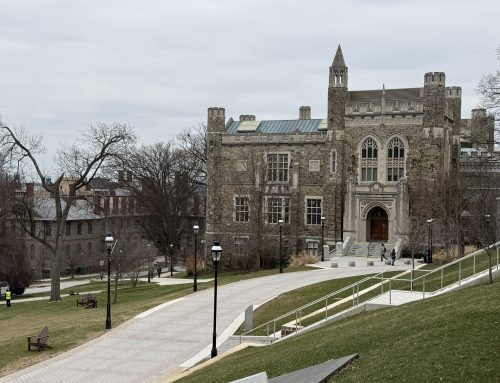
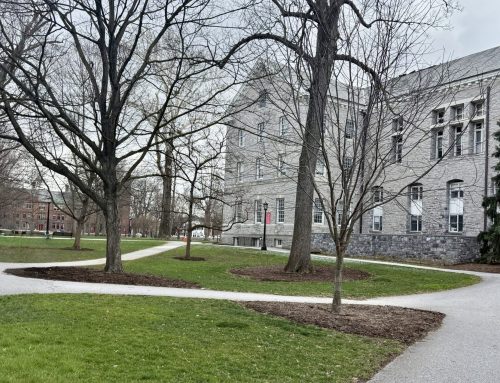
Villanova is the only Augustinian Catholic university and was originally founded to serve Irish immigrants, since they were barred from other schools at that time. The Augustinian principles of truth, unity, and love are woven into the school’s culture. Educating 7,000 undergraduates and 3,000 graduate students, the main campus is attractive, with many grey stone buildings that look historical on the outside, but are modern on the inside, and crosses are everywhere. The school has a stop on the Main Line, which takes students to downtown Philadelphia, and on another line, which takes them to a couple of very nice shopping and restaurant districts. Forty percent of students participate in Greek life.
A high percentage of the students are from the Catholic faith, and mass is well-attended, although not in any way required. It was not a particularly diverse student population based on my observations, with most students being white and appearing to be at least upper-middle class.
Academic Programs and Student Involvement at Villanova
Villanova offers over 100 majors and minors, with most classes capped at 22 students. The school recently added two new majors, biomedical engineering and elementary education. It also boasts a high student participation rate–85% of students participate in community service, and ⅔ of students participate in some form of athletics. Not only are their varsity sports teams competitive, but their club system requires tryouts as well. Intramural sports are available to all.
The business school at Villanova receives an increasing number of applicants, and the admissions representative we spoke with said that in their applicant pool, business is the “new undecided”. Villanova also has an excellent, highly competitive nursing school, an engineering school, and a college of arts and sciences. At Villanova, you apply to a specific school and major, and they rarely offer shifts in major to help students gain admission. For students who want to study business but are not admitted into the business school, they offer the Summer Business Institute, which confers a business minor.
Speaking of admissions, as the school is trying to increase its student population by 1,800 students over the next few years, there are 200 more spots available in next year’s freshman class. Villanova anticipates an overall admissions rate between 25-30% in the 2026 cycle. Villanova seems committed to remaining test-optional, with 75% of its enrolled students applying without test scores.
What Villanova Looks for in Applicants by Major
As usual, the students’ grades, rigor, and course selection are important factors in making admissions decisions at Villanova. Most admitted students are solid A to A- students with a high level of rigor.
For the business school, Villanova expects applicants to be taking Calculus in their senior year, as long as it is offered in their school. The admissions officer we spoke with said that in almost all cases, the business school preferred students take Calculus over Statistics if given the choice.
For engineering applicants, it is important that they have taken physics, chemistry, and at least pre-calculus.
Nursing applicants should have taken biology and chemistry. In the school of arts and sciences, there was more flexibility.
Students can apply undecided to either a science or arts track. For the science track, the admissions department looks for more rigor in students’ science courses, while in the arts track, they prefer to see more rigorous courses in English and the social sciences.
Is Villanova Getting Easier to Get Into?
Because Villanova is trying to enlarge its freshman class, it is anticipated that it will be slightly easier to gain admission there over the next couple of years, although this may be offset by the increase in applications that happens every year.
Villanova Financial Aid, Scholarships, and Costs
Villanova’s admissions process is need-blind for U.S. citizens and permanent residents, meaning financial need plays no role in admissions decisions. The university prioritizes need-based aid as a reflection of its Augustinian mission, and the average financial aid package for students receiving assistance is around $54,000. Both the FAFSA and CSS Profile are required. Merit scholarships are limited—only about 2% of admitted students receive one.
The flagship Presidential Scholarship covers full tuition, housing, and a meal plan, and all applicants are automatically considered. Families should go in with their eyes open: Villanova is an expensive school, and while need-based aid can be meaningful for qualifying families, those who don’t demonstrate significant financial need will find merit money to be scarce.
Who is the Right Fit for Villanova?
Villanova is a school with much to offer the right student. Between its vibrant campus energy, strong academic programs across business, nursing, engineering, and the arts and sciences, and a community deeply rooted in values of service and faith, there is a lot to love here. Students who thrive at Villanova tend to be academically strong, genuinely engaged in their communities, and comfortable—or even energized—by the school’s Catholic identity and culture. If that sounds like your student, Villanova is well worth a close look. It is a school on the move, and it shows.
Want help figuring out if a campus like Villanova is the right fit for your student? Download our Campus Vibe Reflection Workbook to guide your next visit.