
After Lisa visited Muhlenberg College, she shared a few takeaways with our team that we haven’t been able to stop thinking about.
Why College Students Avoid Career Services (And Why It Matters)
For parents of college students, one of the largest complaints I hear/make is that despite colleges offering amazing opportunities, such as research, mentoring, and career placement services, many students refuse to avail themselves of them. I believe this to be because in order to get help, students would have to TALK TO A GROWN-UP. The discomfort this causes creates avoidance behaviors, followed by oppositional behaviors when their parents suggest with increasing intensity that they make an appointment with career services, etc. And that dysfunctional cycle is off to the races.
When Motivation Isn’t the Problem
Not all students are like this. If you are a parent who has one of those go-getter kids who are comfortable with talking to grown-ups and recognizing opportunities for advancement, then you are free to go do something other than read this article. Now, for the rest of us, it’s always been a mystery to me why, despite spending tens of thousands of dollars on college, we are relying on the judgment of adolescents and young adults to decide to make use of the institution. After all, science tells us that their adorable but immature brains aren’t yet great at tolerating temporary distress to achieve a long-term goal, like eating regularly and not living in their parents’ basement.
A Smarter Model: Required Career Coaching at Muhlenberg College
At Muhlenberg College, parents don’t have to rely on their students’ judgment about the benefits of going to advising or career counseling, because, get this–going to career services multiple times during their four years of school is REQUIRED. You read that right–the school provides students with a team of three advisors–an academic advisor, a career coach, and a life coach–and requires their students to meet with all of them regularly. Of course, once students get over the initial discomfort of this contact with grown-ups, they soon realize how wonderful talking to grown-ups can be, and it’s no longer difficult. It’s so simple, yet so brilliant. To whatever geniuses at Muhlenberg created this program, only three years old, I am forever grateful.
How Structured Career Development Drives Real Outcomes
Of course, meeting with academic advisors is essential and perhaps even life-changing, but for now, I’ll focus on the career services component, because that’s where the money can be. The career services department uses process goals–my favorite kind of goals–to operationalize every step of career development, breaking it down into manageable steps. Every meeting the career coach has with a student involves a “bias to action”, or the idea that no matter the student’s situation, there is always something actionable they can do to further their career. Freshmen are assigned concrete networking goals and are accountable to their coach for completing them, thus creating a strong professional network. Shadowing opportunities in their fields of interest are provided, and students are expected to attend them. In the sophomore year, they are required to participate in the career accelerator program. Muhlenberg plans multiple spring break road trips about different career fields to various cities, which are completely paid for by the school–so no excuses about not going. As the student continues in their academic program, they are given intensive mentoring to get internships and jobs–and as far as I can tell, the students are really enjoying the help and the strong relationships they have developed.
Career Placement Results That Rival Top Colleges
The outcome data on this new approach are impressive, with excellent career placement rates that rival those of more selective institutions. Graduate school placement is similarly impressive according to the admissions office, with a 91 percent medical school placement rate, a 92 percent dental school placement rate, and a 100 percent law school placement rate. Keep in mind that Muhlenberg accepts over 70 percent of its applicants, meaning that they work with students who are less likely to be go-getters than those “try-hard” kids over at Stanford. As one professor stated, “Of course, I love working with those high-flyer superstar students, but give me that B student. It’s so rewarding to help them.”
The Hidden Challenge: Financial Pressures at a Strong College
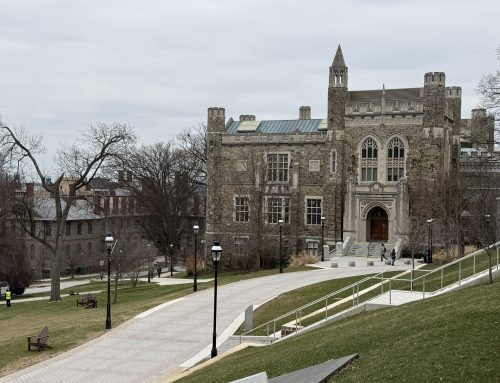
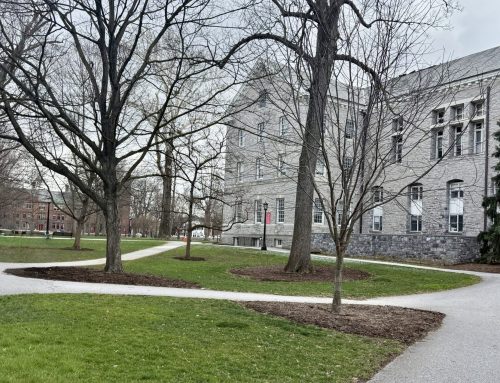
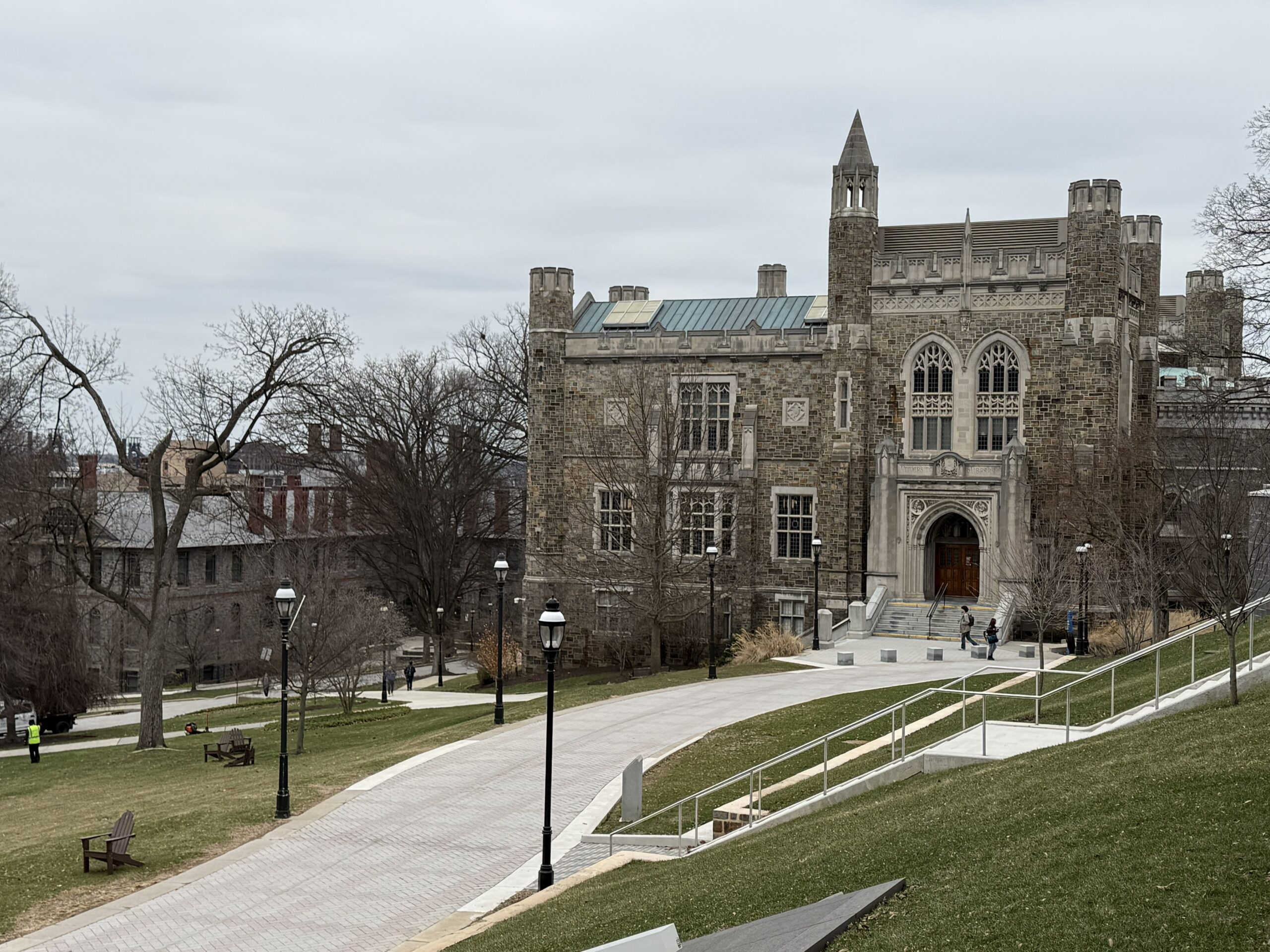
All of which makes what I’m about to say next particularly frustrating. Despite offering such an amazing product, Muhlenberg has been experiencing some financial stress of late. The campus is fundamentally beautiful, but there were signs of deferred maintenance everywhere. The dorms are not luxurious, and while studies show that students actually succeed more if they are forced out of their dorm room, families and students don’t often recognize that. The student enrollment has dropped from 2000 to 1700 over the past few years, and they don’t have a huge endowment, $317 million vs $675 million at a place like Dickinson College. Although the college is not currently in closure territory, this is a situation to continue observing.
Why Awareness and Marketing Matter More Than Ever
I really hope that if more people realize Muhlenberg’s unique approach to career, academic, and personal development, this situation will turn around for them. They have hired a new VP of enrollment management, who I hope will market the school more effectively, fingers crossed.
Academic Strengths, Campus Culture, and Student Experience
Besides the advising program, the school has strong dance, theater, business, science, and pre-professional programs. Classes are small, discussions are encouraged, and students develop close relationships with their professors. The school emphasizes diversity, with a large Jewish student population and a lot of support for the LGBTQ+ community. The students I met were happy, challenged, and optimistic–which is saying something in today’s job market and geopolitical environment.
Is Muhlenberg College Right for Your Student?
There’s a lot to love about Muhlenberg College, especially if your student is a bit passive or unsure about how to proceed in setting themselves up for success. Muhlenberg figured out something most colleges haven’t: that waiting for students to ask for help is a losing strategy. For the right student — and honestly, for most students — that makes all the difference. I truly hope it makes the difference for Muhlenberg’s financial picture as well.
For help deciding if a place like Muhlenberg College is right for you, download our Campus Vibe Reflection Workbook to better understand what characteristics of colleges are truly important to you.