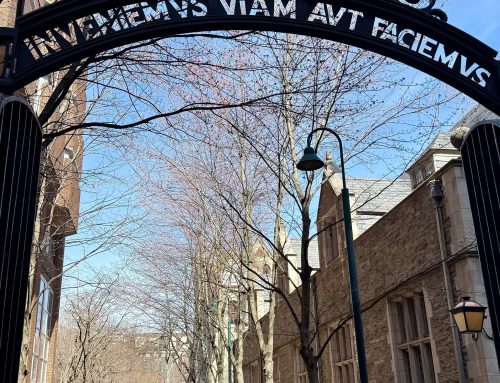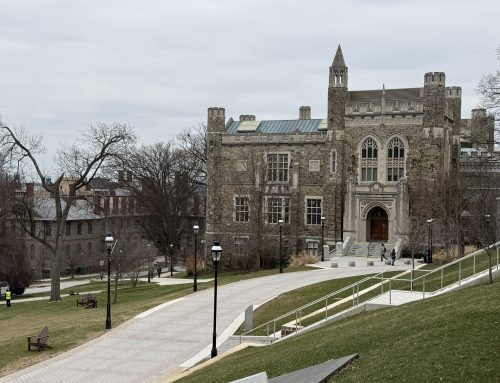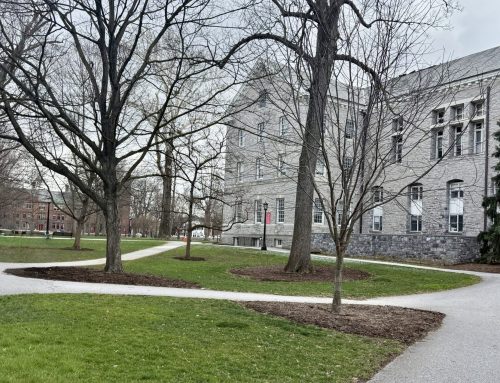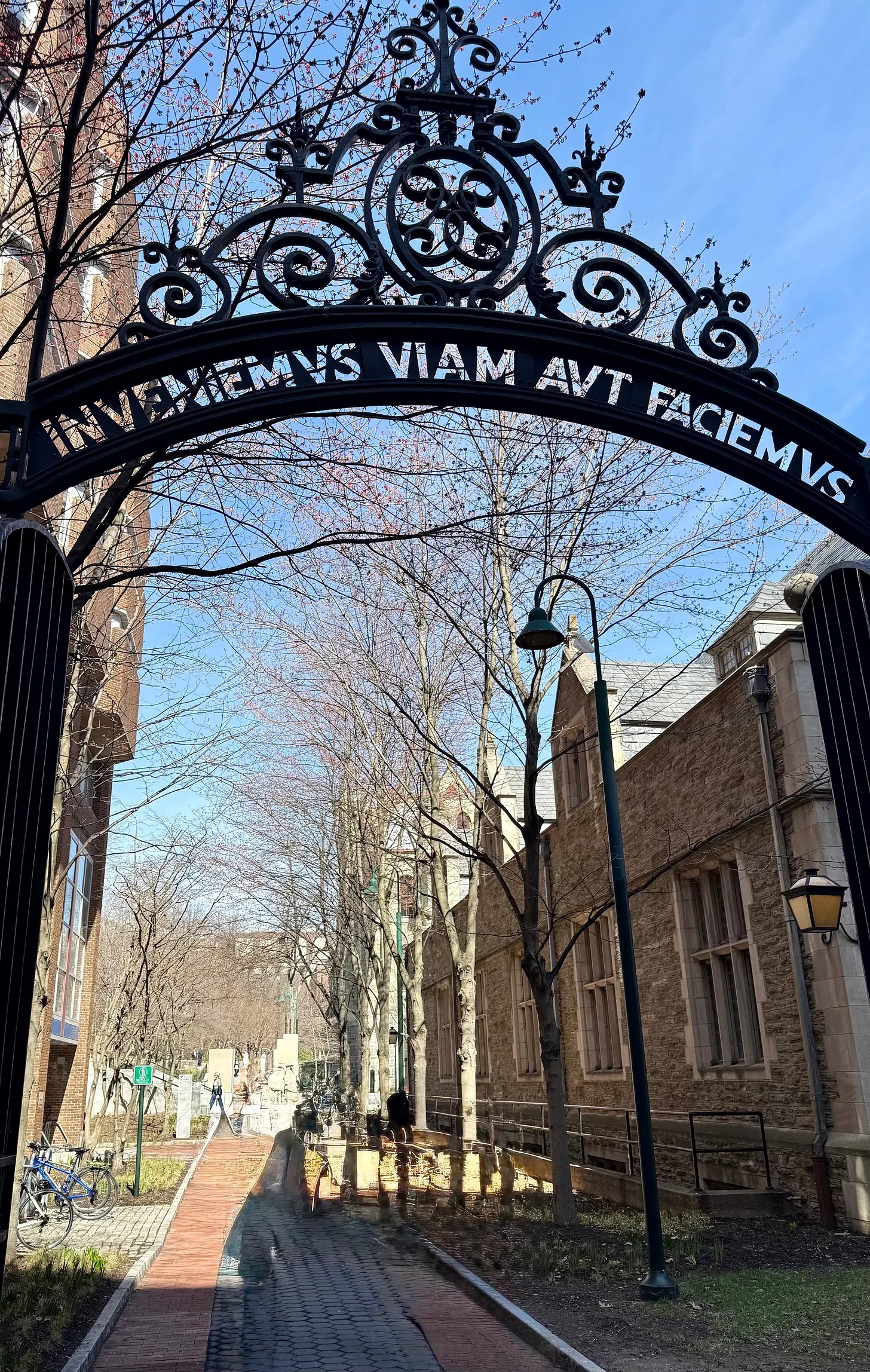
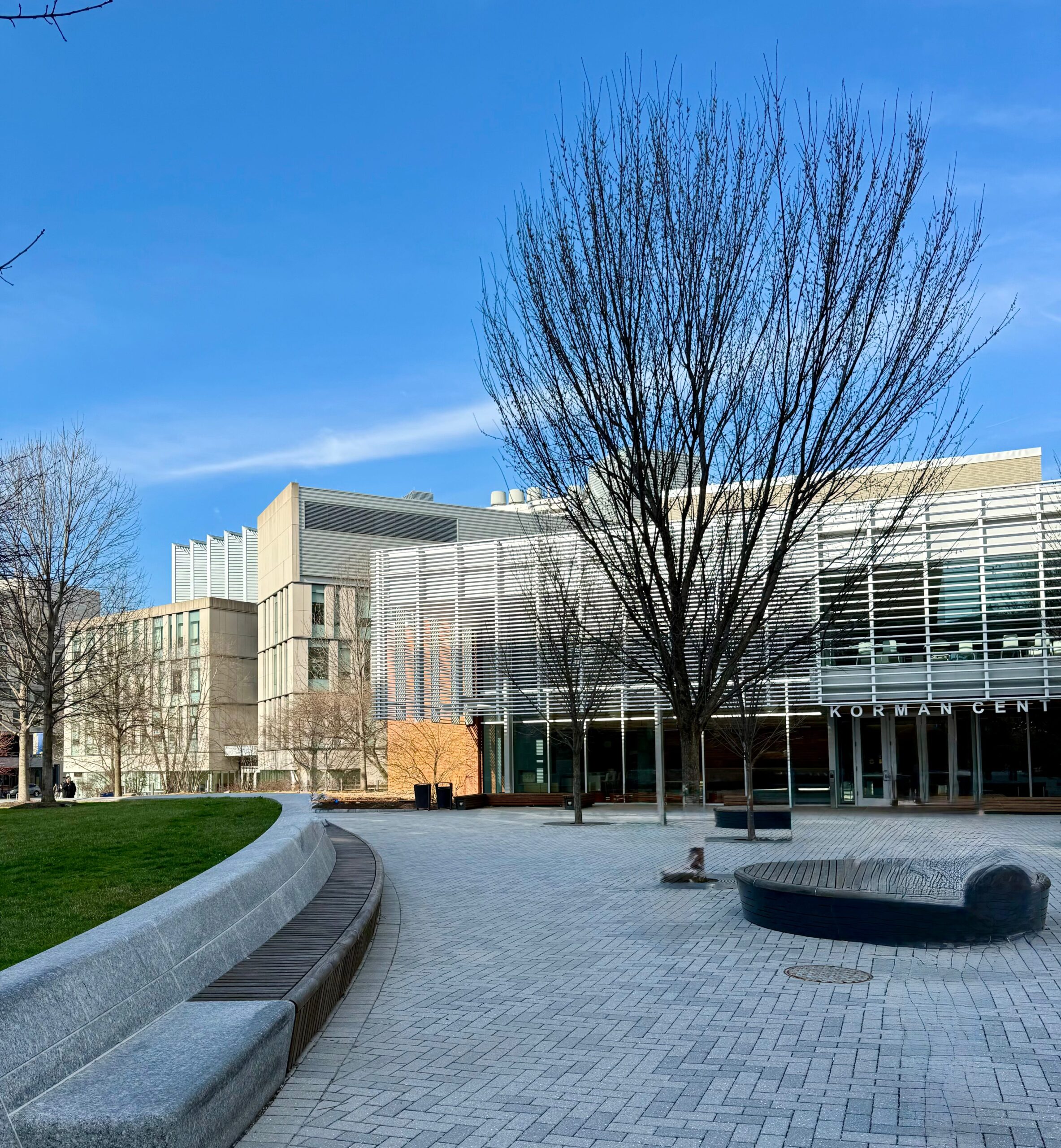
Drexel University is situated in an urban part of Philadelphia, with much of the campus being high-rise buildings. It doesn’t have a contiguous campus feel, but what it lacks in quads and green spaces it makes up for in energy — you can feel that this is a place where people are busy doing things. Drexel serves 13,000 undergraduates, but still manages to have small class sizes, with involved professors who predominantly focus on undergraduate teaching.
The university comprises seven colleges: arts and sciences, business, education, engineering and computer science, media and design, nursing, and public health. In addition to all the majors it offers, Drexel also has several 4+1 programs, allowing students to complete their bachelor’s and master’s degrees in five years. They also have an undecided program that allows students to explore different options before selecting their major in their sophomore year.
Drexel’s Co-Op Program and Experiential Learning Opportunities
The way Drexel tells it, their strength comes down to three things.
First, the location — Philadelphia is full of internship opportunities across a wide range of fields.
Second is the co-op program, in which students take a semester off from classes and instead work full-time in their field. There are two graduation plans: one with one co-op that takes four years, and another with three co-ops that takes five years.
The third is the emphasis on experiential learning that runs through all of its colleges.
Inside Drexel’s Health Sciences and Nursing Simulation Labs
On our tour, we were shown their Health Sciences building, and the amount of experiential learning that goes on seriously reassured me about the preparedness of my own health care providers. There were rooms upon rooms that looked exactly like a hospital, making me feel I had just stepped into an episode of The Pitt. All of these rooms had surveillance areas so that professors can watch students and give feedback. The many practice dummies experiencing health problems were definitely taking one for the team, allowing students to make mistakes on them before trying new procedures on actual humans. They had rooms designed to look like outpatient offices, physical therapy labs, and assisted living apartments. It was very impressive, and I feel that they could not have done a better job of simulating medical settings.
How Drexel Supports Career Readiness Through Co-Ops
We also visited the LeBow College of Business, where we learned about the application process for co-ops. It involves three rounds of applications, so students who aren’t placed in an earlier round get another shot — a good safety net, though the process itself has a few more moving parts than you might expect. Eighty percent of all co-ops are paid, and students take a co-op preparation class beforehand to help them get ready for applications and interviews.
We also toured the Westphal College of Media and Design, and it was equally impressive. Each floor houses a different program, from merchandising to graphic design to fashion design to architecture — and so on. The floors are huge and have studio spaces, equipment, classrooms, and exhibitions of student works. For students who want to work in creative fields, they would certainly have all the tools they need to refine their craft, and it’s clear that Drexel has invested a great deal in these programs.
Is Drexel University Worth the Cost?
Drexel isn’t cheap; its cost of attendance is in the $80,000s, and although it does meet some financial need and provides merit aid, it often tops out as the most expensive option for students in our practice. However, the return on investment with Drexel is huge, and 96 percent of graduates are placed within their field within six months.
Drexel’s emphasis on hands-on, experiential learning will also be a draw for many students who don’t thrive in a traditional lecture-heavy classroom. For students with ADHD in particular, the co-op model and applied coursework provide built-in ways to stay engaged — they’re not just learning about their field, they’re working in it. Although the initial investment may be bigger, the payoff seems likely to be greater than at many other schools.
If your student has ever said, “Just let me try it,” Drexel might be speaking their language.
If you are also planning to visit some colleges, don’t forget to download our Calm College Visit Playbook to be your guide to getting the most out of your time at the schools.