Penn was the last college we visited on our recent Pennsylvania tour, and it was certainly the most selective one. As is often the case with highly selective schools, the admissions office had a fairly standard information session and tour. This was the only school where the counselors attended a regular information session that also had students and families.
Penn Admissions: Are Some Schools Harder to Get Into?
The admissions officer engaged in some notable spin — when asked if the Wharton School of Business was more selective than the other colleges at Penn, she flatly stated that there were no differences in admission rates between any of the colleges. The 94% of candidates rejected last year from Penn’s nursing school might disagree with that statement, but at the end of the day, Penn is so selective that a couple of percentage points probably don’t really matter.
What Makes Penn Stand Out Academically
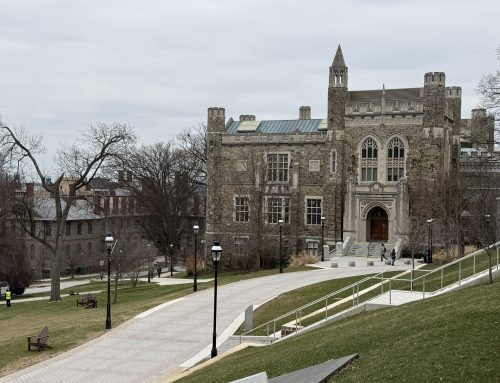
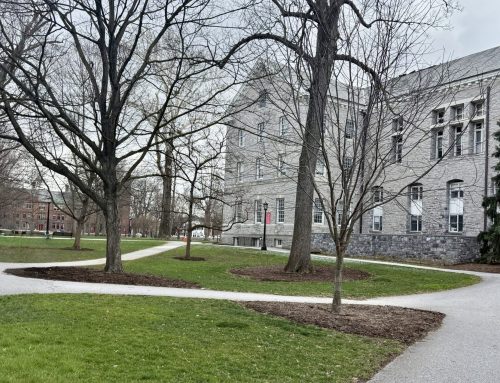
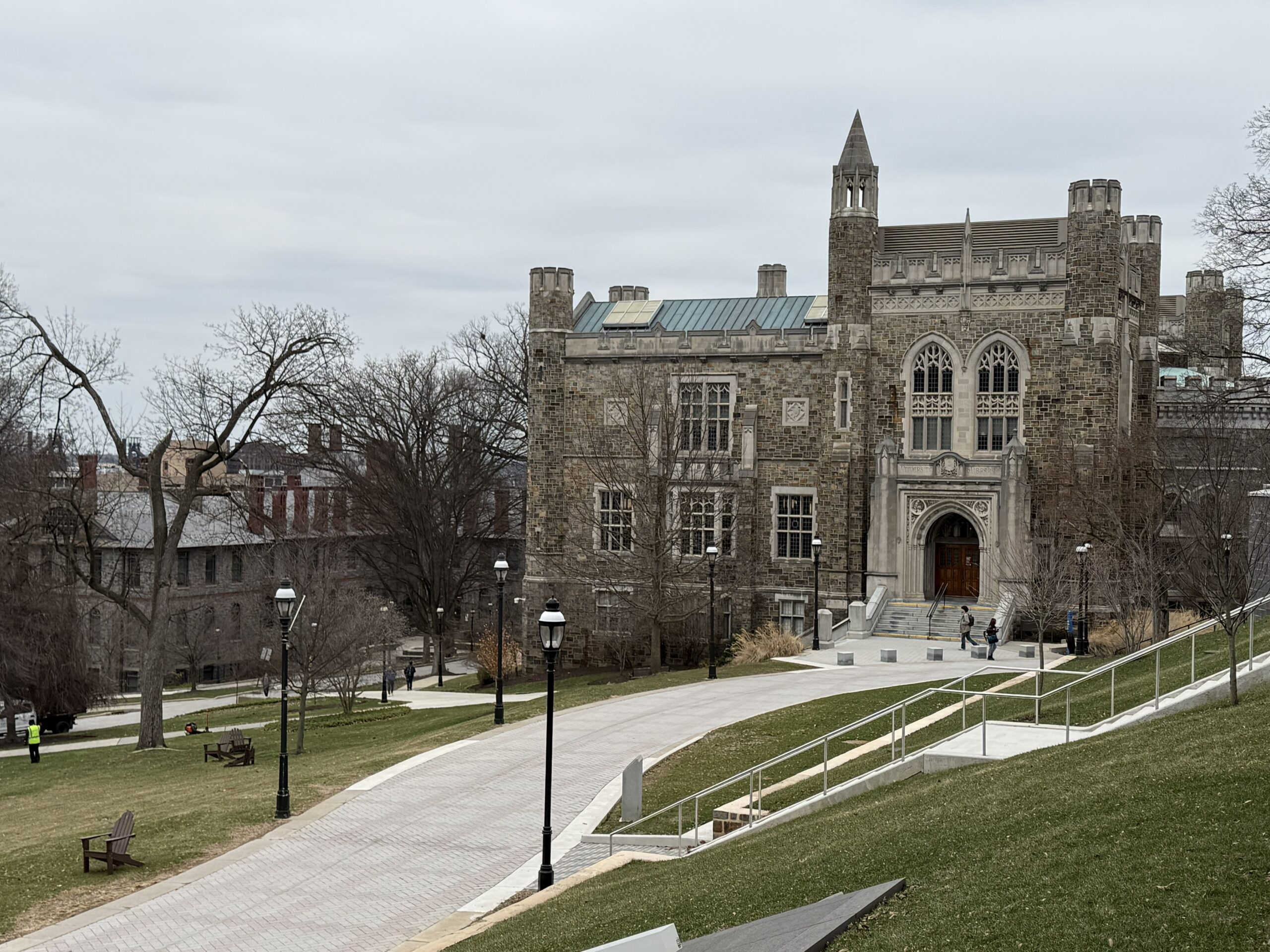
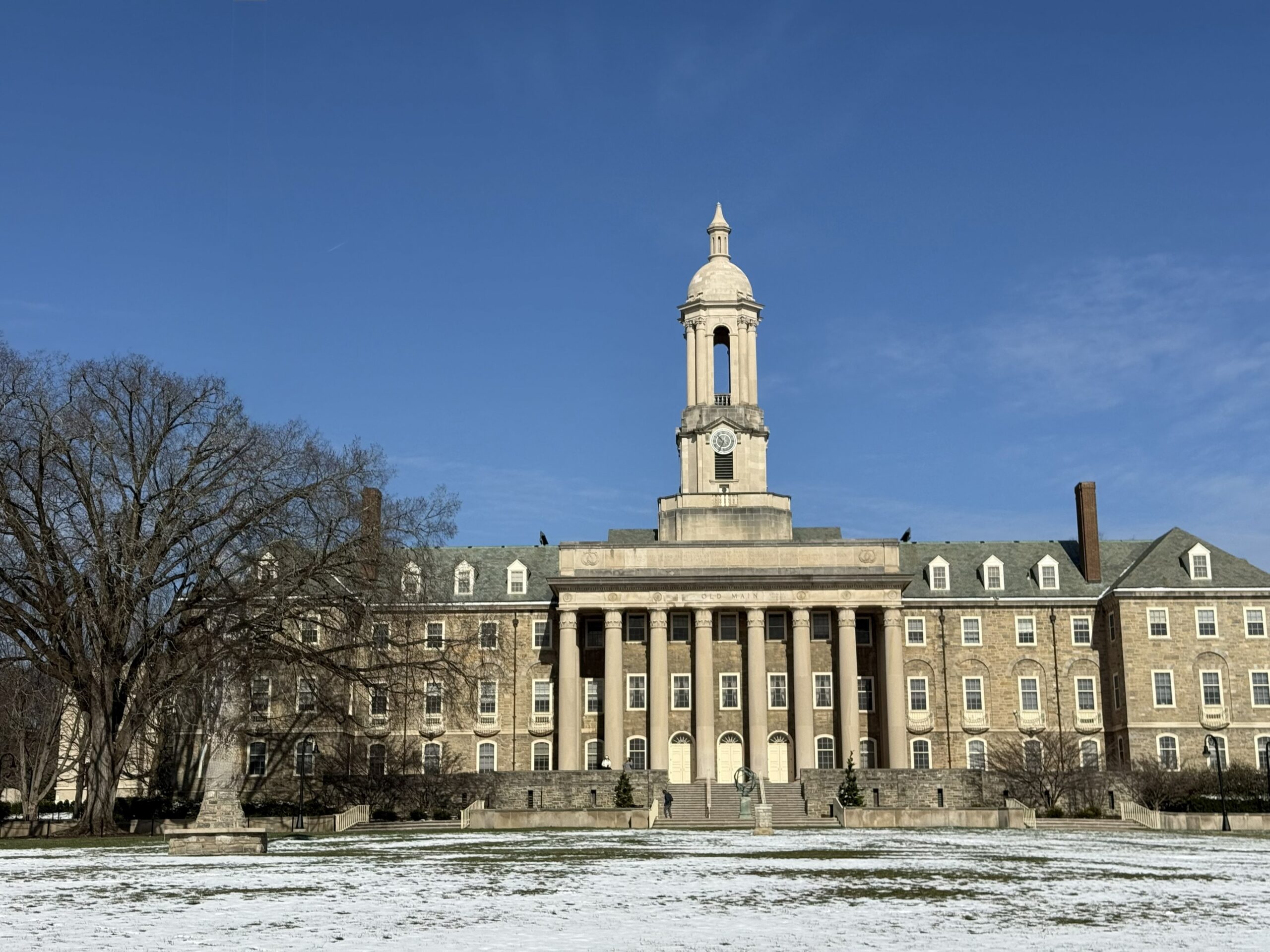
Penn has been covered extensively elsewhere, so I’ll focus on what stood out to me. Penn has a beautiful campus, smaller class sizes with lots of rigor, high-energy students, and it’s pretty darn prestigious, being in the Ivy League. The school has a common core curriculum model, meaning that all students must take classes in several subjects in order to be well-rounded in their education. Penn also touts their interdisciplinary model of learning — students can double major, have minors in another school of the university, and there are a few dual degree programs available. They also have an undecided option, where students can try on different majors before they commit to one or two.
In sum, lots of great things at Penn.
Areas Where Penn Falls Short on Student Support
Some things I didn’t love:
- Students are limited in the amount of free tutoring they can receive. Each semester, they can only consult three tutors. Let’s hope no one has a problem in their fourth or fifth classes, because then they’d be out of luck.
- Penn only offers short-term, outside referral-based treatment at the mental health center. This is in contrast to every other school that we visited — the nine other schools had no limits on the number of sessions students could use.
Mental Health Resources and Tutoring at Penn: A Closer Look
Why does a school with an endowment of $24.8 billion feel the need to be chintzy with these services? As a clinical psychologist, the mental health session limit concerns me deeply.
Penn students, due to the fact that they had to work so hard to become Penn students, are more at risk for anxiety and depression. Penn is also known to be a high-pressure and competitive environment, which compounds that risk. Students had better have rich parents, great health insurance, and some connections to get into an outside therapist — no easy feat these days.
Is Penn the Right Fit for Your Student?
Penn is the kind of school where the prestige is real and the opportunities are genuine — but the fine print on tutoring and mental health support is worth reading carefully before you commit. For the right student, it can be transformative. Just make sure your student knows what they’re signing up for.
If you are also planning to visit some colleges, don’t forget to take our Calm College Visit Playbook