
College decision season has a way of shrinking the world.
Suddenly, everything seems to revolve around portals, timestamps, and rumors about who heard what from where. Students who were once juggling school, friends, activities, and plans for the future can find their sense of self narrowing down to a single question: What does this decision say about me?
If that sounds familiar, let’s be very clear from the start: college decisions are not a measure of your worth. They feel personal, but they aren’t personal—and understanding that distinction is one of the most important skills you can build during this season.
This idea sits at the heart of The Calm College Method: when you focus on process instead of outcomes, you give yourself room to stay grounded—even when things feel uncertain.
Don’t Take It Personally (Even When It Feels Personal)
A rejection or deferral can land like a gut punch. An acceptance can feel euphoric—or strangely hollow if it wasn’t the one you hoped for. Either way, it’s easy to let these moments seep into how you see yourself.
But admissions decisions are driven by institutional priorities, not personal judgments. Colleges are assembling a class, balancing majors, geography, enrollment targets, housing capacity, financial aid budgets, and a dozen other factors you will never see.
Add in today’s highly competitive environment, and you get outcomes that often make very little sense on an individual level. Strong students are denied. Equally strong students are admitted elsewhere. None of this means one is more capable or deserving than the other.
Even acceptance, when you zoom out, isn’t a pure affirmation of “you.” It’s a match between what a school needed in that moment and what your application represented. That’s it.
Holding onto this truth doesn’t eliminate disappointment—but it does prevent disappointment from turning into self-blame.
he Comparison Trap: Why This Season Is So Hard
Decision season doesn’t happen in a vacuum. It happens alongside group chats, hallway conversations, family questions, and—most of all—social media.
And social comparison, especially during adolescence, is brutal.
One of the calmest choices you can make right now is to opt out of unnecessary comparison. That may mean keeping your college list private, declining to share where you applied, or simply saying, “I’m still figuring it out.”
It almost certainly means being thoughtful about social media. Acceptance videos and sweatshirt photos don’t show the full story. They show one moment, carefully framed, often after weeks or months of stress and disappointment.
If you’re hearing back early, consider waiting before posting publicly. Not because your joy isn’t valid, but because many others are still waiting—or processing hard news. Thoughtfulness now builds a kinder environment for everyone.
And if your feed has started serving you breathless “experts” warning that one wrong choice will derail your future, step away. A lot of loud advice online is designed to provoke urgency, not understanding. Calm, grounded guidance rarely comes with a ring light and a panic-inducing tone.
Play the Long Game (Even When Waiting Feels Miserable)
No one likes waiting. Deferrals feel like half-answers. Uncertainty makes everything louder.
But in college admissions, waiting often creates opportunity. More time can mean more offers, more financial aid information, and more real choice. The school that felt like an afterthought in January can look very different by April.
This is why The Calm College Method emphasizes flexibility and patience. When you allow the process to unfold, you’re not giving up control—you’re expanding your options.
A phrase we return to often: It will all be okay in the end: if it’s not okay, it’s not the end. You aren’t going to stop at an unacceptable outcome, but you’ll keep trying until the situation is “okay”.
You Are More Than a Decision Letter
It’s worth saying this plainly: you are a multidimensional person.
You are not an acceptance, a rejection, or a deferral. You are a student, a friend, a thinker, a creator, a problem-solver, a human being with strengths and interests that cannot be summarized by an admissions committee in a few minutes.
Judging yourself based on outcomes you cannot control is a losing game. What you can control is how you treat yourself during this stretch—and whether you let one short season define your sense of who you are.
This season matters, but it is not your whole life.
Perspective Helps More Than You Think
Right now, this process feels enormous. That makes sense—it’s immediate, emotional, and deeply tied to identity.
But a year from now, your life will look different. New routines, new challenges, new people, new priorities. Most students, looking back, are surprised by how quickly the intensity fades.
Sometimes what feels like “losing” is actually the moment you start building resilience, adaptability, and grit—the qualities that matter far more in the long run than where you landed at 18.
A Calm Place to Land
If this season feels overwhelming, you don’t have to navigate it alone. The Calm College Method was written to help families and students step out of panic and into perspective—especially during moments like this.
For a shorter, practical starting point, the Calm College Starter Kit offers simple tools, mindset resets, and grounding exercises to help you stay focused on what matters most, even when decisions are swirling.
You are allowed to care deeply and stay calm at the same time.
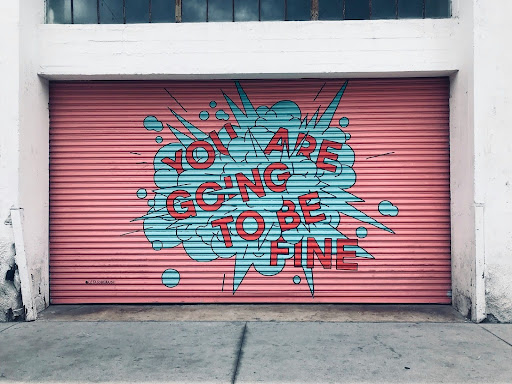
This season will pass. You will move forward. And you will be more than okay.