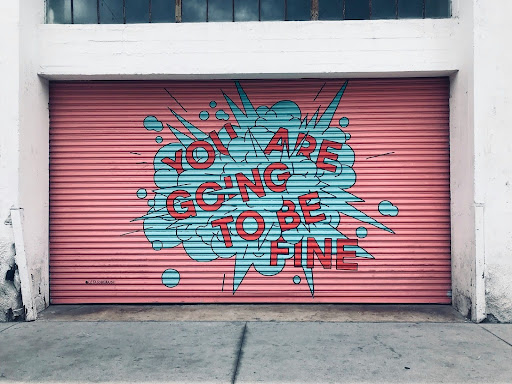

Every fall, high school seniors and their parents enter what can only be described as “college chaos season.” Applications are due, essays are half-finished, test scores are still pending, and families are suddenly realizing that the sticker prices of their dream schools are much higher than expected.
Somewhere in that swirl of panic, one phrase keeps popping up: “I wish we’d started earlier.”
That’s what we call the “Things-I-Wish-I-Knew” trap—the regret families feel when they discover that timing matters as much as effort in the college admissions process. Fortunately, with a little planning and perspective, this trap is completely avoidable.
What Is the “Wish-I-Knew” Trap?
The trap starts innocently enough. Parents assume that college planning begins junior year—or even later—because that’s when high school counselors start holding information nights and friends begin talking about applications. The problem is, by that point, some of the most important opportunities for thoughtful reflection, financial planning, and academic strategy have already passed.
When families start late, they’re forced to make big decisions in a hurry:
- Which colleges should we visit?
- Can we afford this school after aid?
- What’s the difference between Early Action and Early Decision?
- When are scholarship deadlines?
Those questions pile up fast, and with them comes stress, uncertainty, and sometimes costly mistakes.
Why Early Planning Matters
The families who approach the process calmly almost always share one trait: they start earlier than they think they need to. That doesn’t mean drilling vocabulary flashcards in ninth grade; it means developing awareness and gathering information before deadlines loom.
When you start early, you have time to:
- Understand financial aid: Running Net Price Calculators on college websites can reveal the real cost of attendance after scholarships and grants. Families often discover that private schools can be surprisingly affordable, or that in-state universities offer unbeatable value.
- Research schools deeply: Without time pressure, students can explore programs, campus culture, and academic opportunities with curiosity instead of panic.
- Plan meaningful experiences: Summer jobs, volunteer projects, or community involvement done early can grow into genuine passions, not last-minute résumé padding.
- Allow time for essays and reflection: The best personal statements aren’t written in a weekend. They come from honest thought and revision, which requires breathing room.
Starting early leads to smarter decisions and stronger applications.
What Happens When You Wait
Families who postpone planning often find themselves in a race against the clock. They rush through college lists, underestimate costs, and rely too heavily on rumors or rankings. In that hurry, important opportunities—like applying for scholarships or meeting priority deadlines—can slip away.
Even more stressful, late planning can strain relationships. Parents may feel they have to take over to meet deadlines, while teens feel overwhelmed or defensive. The result is the opposite of what anyone wanted: tension, pressure, and exhaustion.
One Simple Action Step
If you’re unsure where to start, do one thing tonight: go to a college website and find the Net Price Calculator. This free tool gives you an estimate of what your family might actually pay, based on your income, savings, and academic profile. Most parents are surprised—sometimes pleasantly, sometimes not—but either way, they’re more informed. Awareness leads to empowerment, not panic.
From there, pick one additional process goal to complete this month:
- Create a shared family spreadsheet for college research.
- Plan one low-stress campus visit.
- Encourage your teen to jot down what they hope to find in a college community.
Each small action lowers the temperature of the entire process.
Turning Panic into Peace
The Calm College Method emphasizes preparation over perfection. You don’t need to have every detail figured out by sophomore year—you just need to start the conversation early enough to make thoughtful choices.
When families treat college planning as a gradual learning experience instead of a high-stakes race, they discover something powerful: calm and confidence go hand in hand. The earlier you start, the more time you have to enjoy this once-in-a-lifetime process with your student, not just survive it.
Download our free Starter Kit to start your calm college journey today.